
Colder weather, traffic and heating mean poorer air
Poor air quality remains one of the major risk factors for early death worldwide, a fact maybe not at the forefront of our minds in the midst of the Covid-19 pandemic. Winter normally brings poorer air, and 2020 is unfortunately no exception.
Europe - local traffic and winds from south east
Particle levels have risen sharply over western parts of Europe the last days. The particle levels in English cities have been remarkably high, but central Europe and even parts of Scandinavia get their share of particle pollution.
Winds from south east in combination with local pollution are very likely the reasons behind the poor air. The wind transports particles from the southeastern part of Europe towards the northwestern part of the continent, similar to what happened in early October. The particles could stem from industrial plants or agricultural areas.
From London to Warsaw
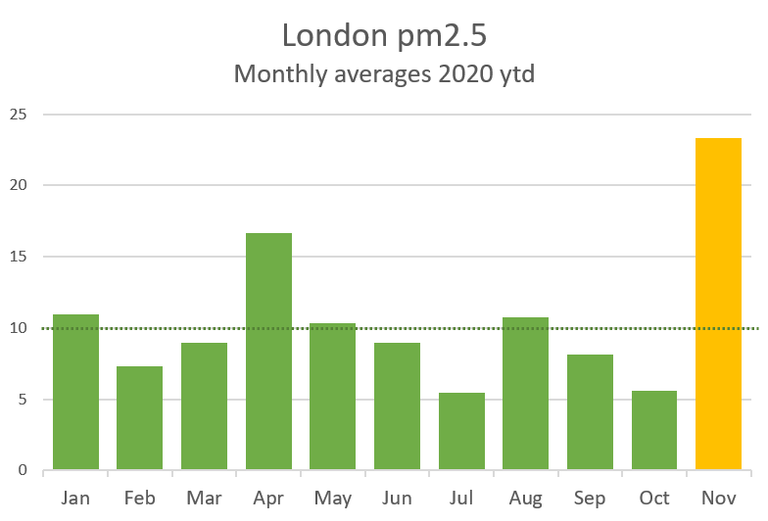
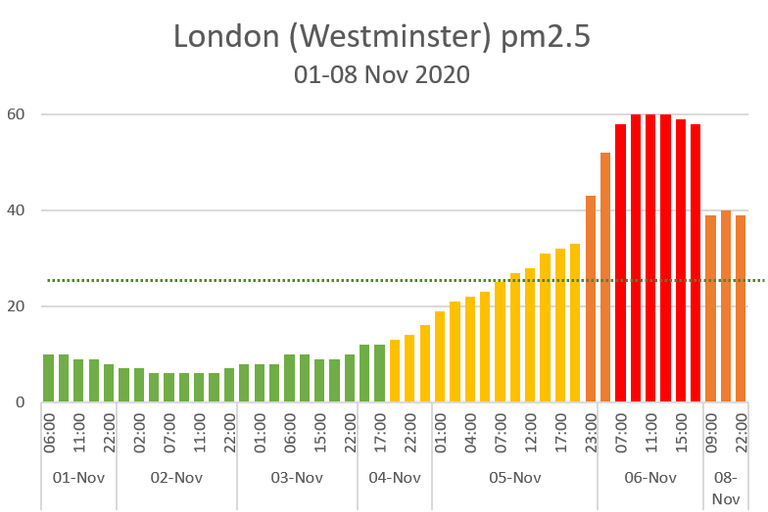
As we can see from the illustrations below, London experienced a severe episode of air pollution at the start of the weekend. The air quality was poor over large parts of England, possibly linked to cold air and weak winds trapping the pollution.
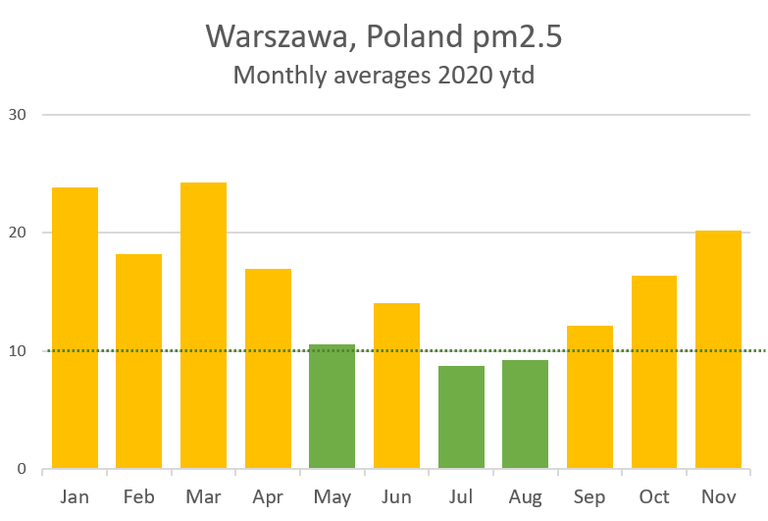
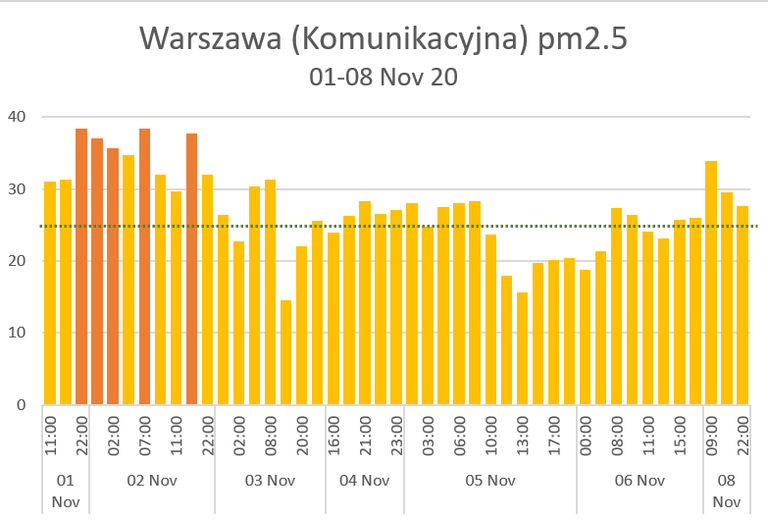
Warsaw follows its annual pattern with more air pollution during the winter months, as coal-fired power is the major power source for heating.
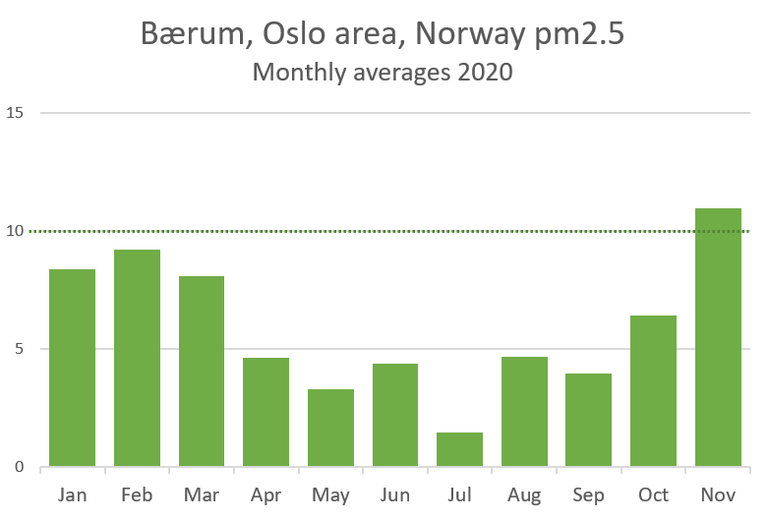
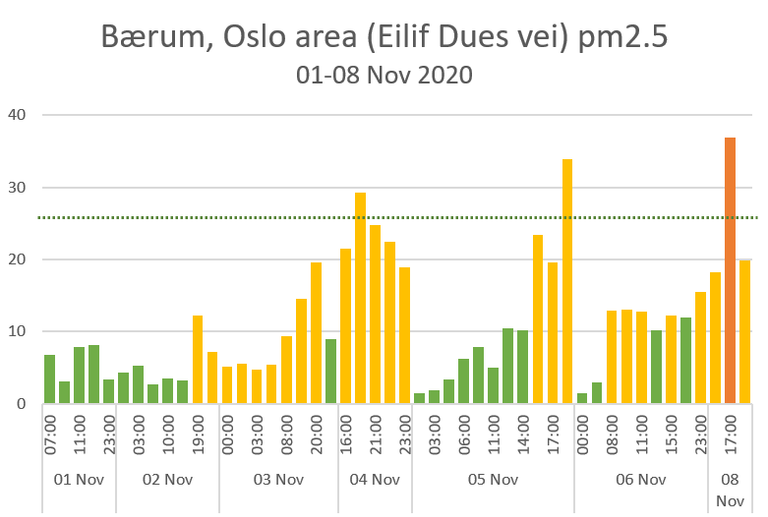
The Oslo area in Norway sees a similar pattern, albeit with much lower pollution levels. However, the hourly breakdown reveals a clear pattern, with traffic (and possibly wood burning in homes) driving air pollution in afternoons. We see less effect of the south eastern winds for this region.
Delhi chokes on poor air
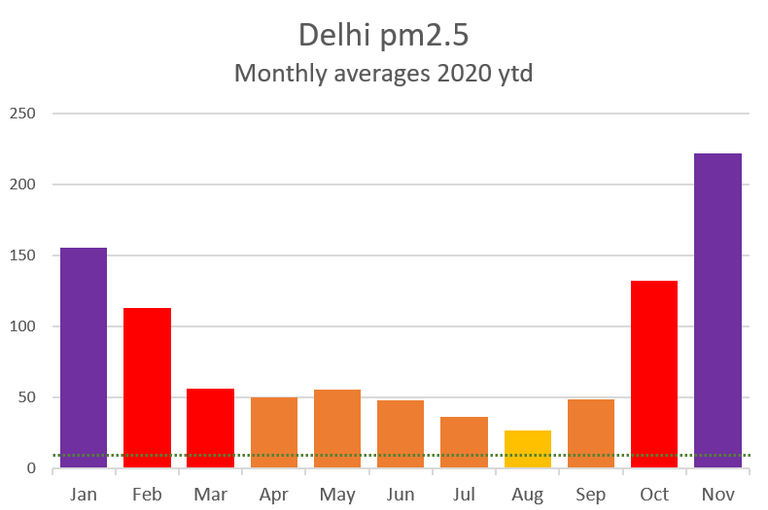
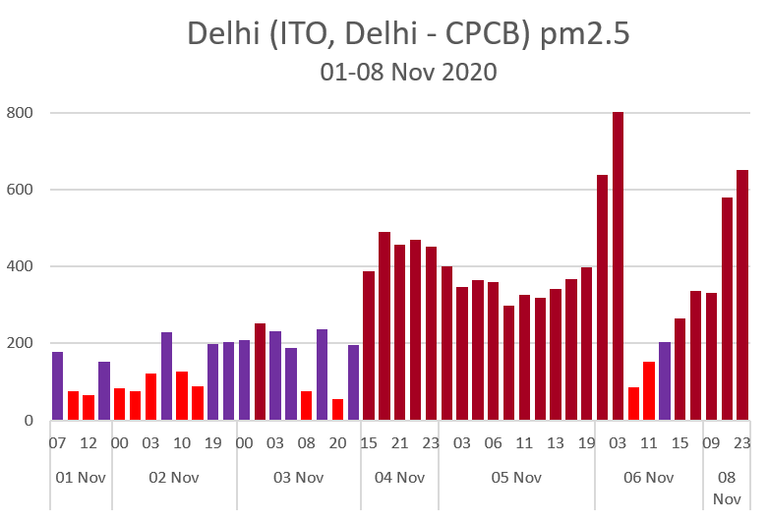
If we move across to the Indian subcontinent, we see the same yearly pattern with higher air pollution levels in winter. Northern India and the country's capital is currently draped in really, really bad air. Levels tend to be hazardous or very unhealthy during the colder winter months, and 2020 is no exception.
Local pollution, such as traffic, and crop burning in neighbouring states are the major contributors to the particle pollution. In combination with dry weather and weak winds, this makes a deadly combination. Delhi is not helped by its geography either, with the Himalayas trapping air on the Indo-Gangetic plain.
Stubble burning aggravates the situation
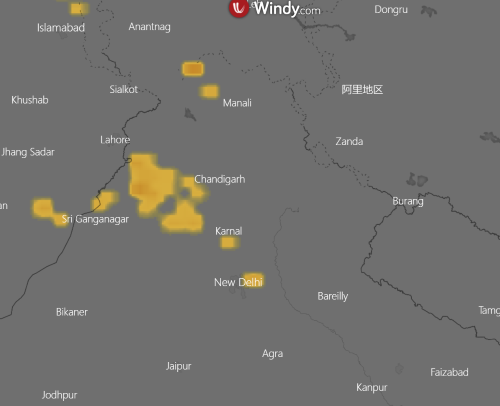
As shown below, the modelled pm2.5 levels over Northern India correspond well with fire intensity. The fires are most likely from crop stubble burning, as farmers burn their stubble to prepare for the next growing season.
Want to keep an eye on the air quality levels?
Try the Airmine app, available in Appstore and Google Play. Hourly air quality forecasts, pollen levels for Europe and a personal symptoms diary and analysis.