
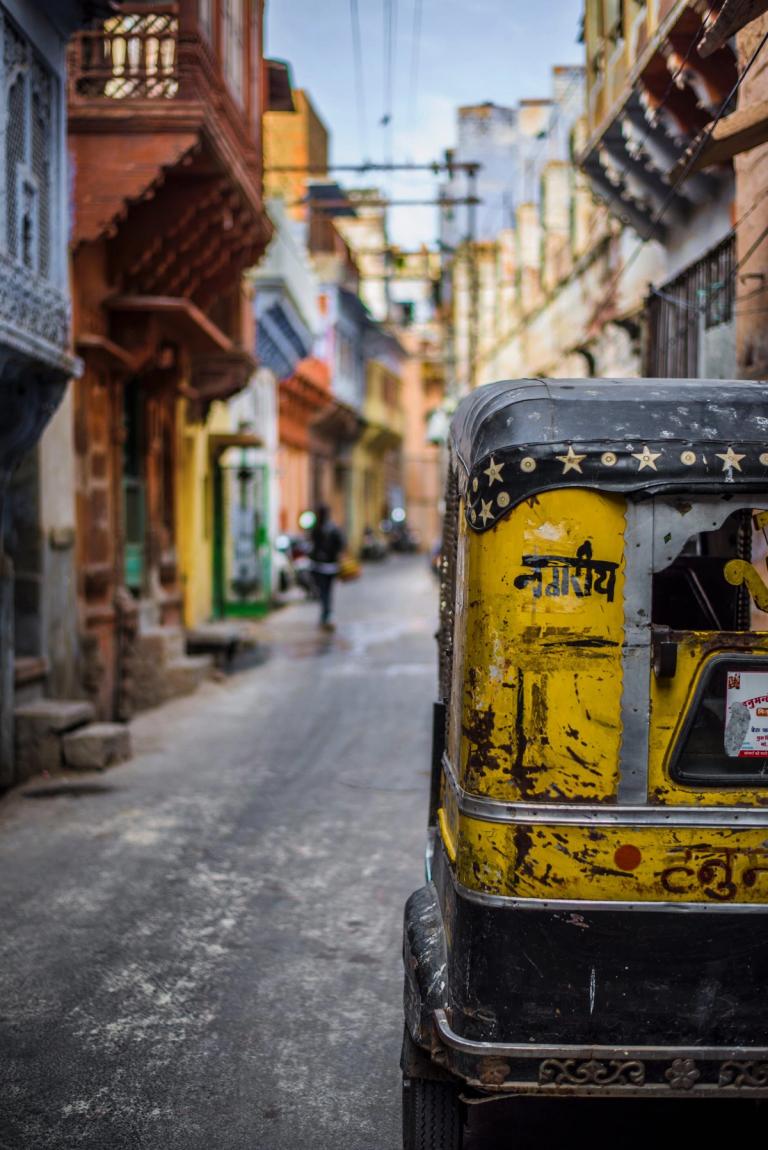
When international flights are diverted from New Delhi's international airport because the pilots are not experts at landing in low visibility, you know India's capital has a serious air pollution problem.
Schools are closed, and people are advised to stay indoors and refrain from physical activity. Levels of fine particles (PM2.5) are so high that breathing in such conditions over time would be similar to smoking a couple of cigarette packs every day.
The government has now started a car rationing system, where only cars with odd or even number plates will be allowed on the roads, and increased the fines for ignoring it. But will that solve the problem? Hardly. Road traffic does contribute some 40% of the regular air pollution in the city.
Burning crops and Diwali fireworks
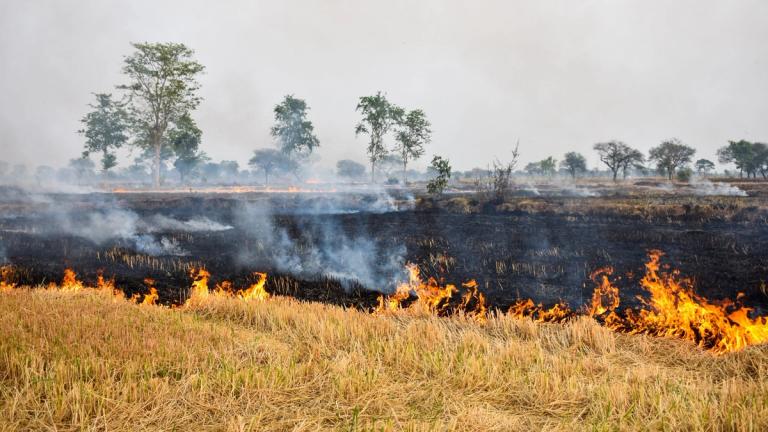
However, the problem now is that a lot of extra air pollution is added due to smoke from farmers burning off biomass waste on New Delhi's surrounding farmlands, and that the change in temperature makes this effect even worse. Add the smoke from Diwali fireworks, and you get a deadly mixture.
Measures need to come in place to incentivise farmers burning off their crop fields to stop doing so (it has been possible elsewhere so it should be possible in India too), electrifying public transport and increasing the share of electric vehicles. If not, people will regularly have to do what a lot have been doing this week: physically leave India's capital city every November.